GI Tag for Carpets: What Buyers Should Know Before Buying in India

GI Tag for Carpets: What Buyers Should Know Before Buying in India

GI TAGS AND EXPORT CERTIFICATES: What to Ask for When Buying a Carpet in India
GI Tag for Carpets

A certificate can make a carpet look authentic. But what exactly is that piece of paper certifying?

This is an important question because buyers today are more informed than ever. When purchasing an expensive carpet, it is natural to look for labels, certificates and documents that provide reassurance. But not every certificate proves the same thing—and some documents can easily be misunderstood.

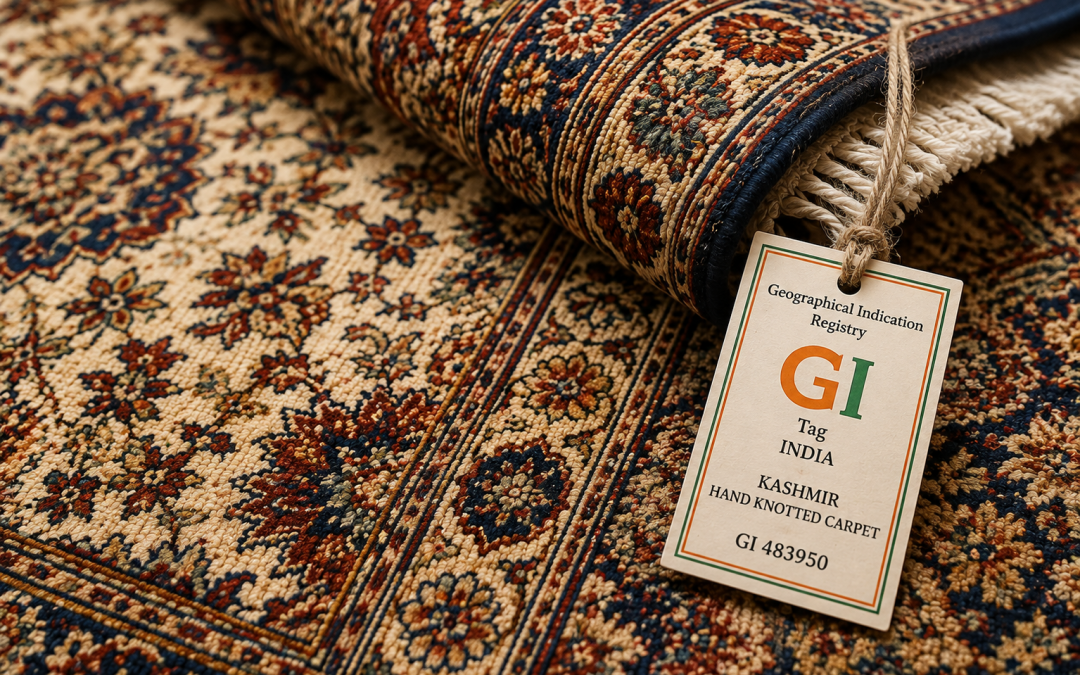
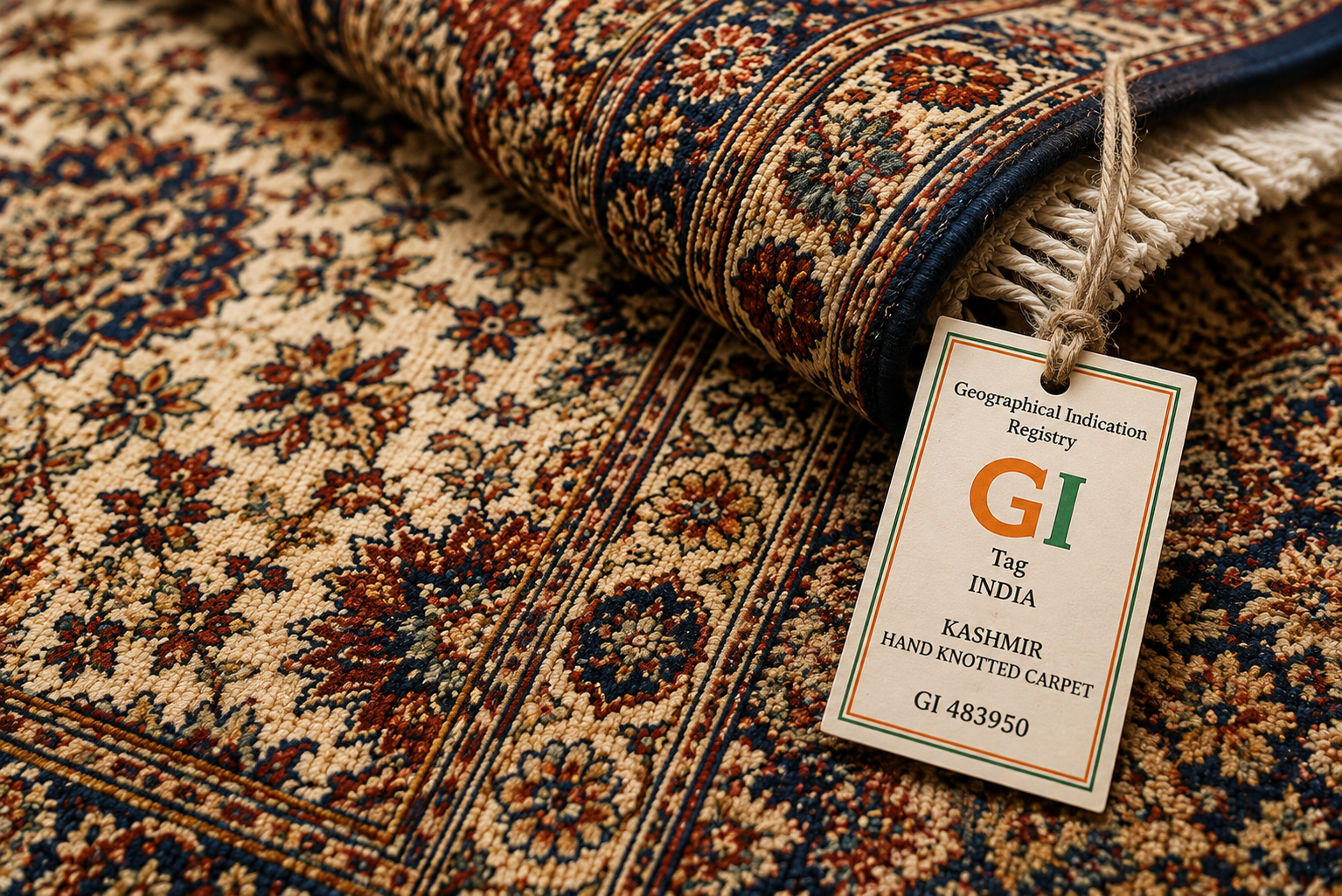
A GI (Geographical Indication) tag identifies a product with a particular geographical origin where a specific quality, reputation or characteristic is associated with that location. In the Indian carpet industry, certain traditional carpet-producing regions and products have GI recognition.

But here is where buyers need to be careful: a GI tag does not automatically mean that a carpet is superior, antique, handmade or of a particular knot density. It relates primarily to geographical origin and the characteristics associated with that origin.

Export documentation is different. Depending on the circumstances, export documents may establish information relating to the shipment, exporter, origin or regulatory compliance. They should not automatically be interpreted as proof of the carpet’s age, craftsmanship or quality.

Explore our collection of traditional Persian and Indo-Persian carpets to discover timeless designs inspired by centuries of carpet-making heritage.

So, what should you actually ask a carpet dealer?

First, ask where the carpet was made. This sounds obvious, but it is one of the most important questions. A carpet made in India using a traditional Persian design is an Indian carpet—it should not simply be described as a Persian carpet.

Second, if a GI claim is being made, ask what GI applies and what it actually covers. Do not assume that the presence of a GI reference guarantees every aspect of the carpet.

Third, ask for proper documentation with your purchase. For a valuable carpet, the invoice should clearly describe the carpet and its stated origin. Keep photographs, specifications and any supporting documents provided by the seller.

And perhaps the most important point: do not let paperwork replace knowledge.

A certificate is useful. A properly documented purchase is even better. But ultimately, the carpet itself—its construction, materials, workmanship, design and provenance—should make sense.

After all, buying a carpet is not a document-collecting exercise. You are buying a piece of craftsmanship, and you deserve to know exactly what it is.

— Akmal Jan, Fourth-Generation in the Family Business of Carpets
Founder of Carpet Kingdom, Curating Handmade Rugs for Over 125 Years
Understanding Carpet Pricing in India: Why Prices Vary So Much between Showrooms

Understanding Carpet Pricing in India: Why Prices Vary So Much between Showrooms

Understanding Carpet Pricing in India: Why
Prices Vary So Much between Showrooms

stair carpet

One question I have often encountered, mostly from foreigners and overseas tourists during my years in the carpet business is: “Why is a similar-looking carpet available at such different prices in different showrooms?”

It is a perfectly reasonable question and one that deserves an honest answer.

A handmade carpet can look remarkably similar to another and yet differ considerably in price. The difference may lie in the quality and type of wool or silk, knot density, craftsmanship, dyeing, finishing, age, origin, construction and even the amount of handwork involved. These are details that are not always obvious simply by looking at the front of a carpet.

Explore our collection of traditional Persian and Indo-Persian carpets to discover timeless designs inspired by centuries of carpet-making heritage.

This is particularly confusing for customers who are unfamiliar with handmade carpets, including many overseas visitors to India.

Over the years, the carpet trade has unfortunately had instances where customers have been misled about quality, origin or value. This has, in my opinion, done a disservice not only to the customer but to the carpet retail industry itself.

I realised this quite early in my journey at Carpet Kingdom. We consciously decided that we would not try to compete by creating artificial discounts, inflating prices only to offer dramatic reductions, or using terminology that could confuse the buyer.

Instead, our approach has been simple: offer a good product, explain what the customer is buying, be transparent about its quality and price, and let the customer make an informed decision. For buyers looking to explore authentic craftsmanship and understand the quality behind handmade carpets, you can explore our collection of Indian handmade rugs, crafted with attention to materials, construction and traditional techniques.

So, how does a buyer know whether they are paying the right price?

My advice is: do not compare carpets only by appearance. Compare their specifications, construction, materials, workmanship and origin. Ask questions, understand the differences and then compare like with like, and most importantly ensure that you are buying it from a reputed showroom.

There is no single “right price” for a handmade carpet. There is, however, a right price for the particular carpet you are buying.

In the long run, I believe transparency pays. Many of our customers return to us years later and just as importantly, they refer their friends and families to us.

For me, that is the real measure of value.

— Akmal Jan, Fourth-Generation in the Family Business of Carpets
Founder of Carpet Kingdom, Curating Handmade Rugs for Over 125 Years
Authentic Persian Designs Originating from Iran: A Buyer’s Guide for Foreigners in Bangalore

Authentic Persian Designs Originating from Iran: A Buyer’s Guide for Foreigners in Bangalore

Authentic Persian Designs Originating from Iran: A Buyer’s Guide for Foreigners in Bangalore

stair carpet

Having grown up in a family that has been in the carpet business for four generations, I have learnt that buying a carpet is as much about understanding its story as it is about appreciating its beauty.

One question I frequently hear from foreign residents in Bangalore is: “Where can I find an authentic Persian carpet?”

There is an important distinction that every buyer should understand.

A Persian carpet traditionally means a carpet originating from Iran, historically known as Persia. Iran has an extraordinary carpet-making heritage, with regions such as Tabriz, Kashan, Isfahan, Nain and Qom known for their distinctive designs and weaving traditions.

However, Persian designs have travelled far beyond Iran. India has become an important producer of high-quality handmade carpets, and Indian artisans today create beautiful hand-knotted carpets inspired by authentic Persian design traditions.

Persian carpets can become a defining element of a well-designed living space. If you’re exploring different ways to style rugs at home, our guide to living room rugs and décor ideas can help you choose the right size, placement and style for your interior.

At Carpet Kingdom, we believe in being precise about this distinction. We would never want to describe an Indian-made carpet simply as a “Persian carpet” if that could lead a customer—local or overseas—to believe it was manufactured in Iran.

If a carpet is made in Iran, we describe it as an Iranian/Persian-origin carpet. If it is made in India in a traditional Persian design, we describe it as an Indian handmade carpet in a Persian design.

We do occasionally stock selected Iranian/Persian-origin carpets, but our collection also includes carefully selected Indian handmade carpets in Persian and other traditional designs.

For us, origin, design and craftsmanship are three different things. A beautiful Indian handmade carpet does not become less valuable because it is made in India.

After four generations, our philosophy remains simple:

Appreciate the design. Respect the origin. Describe the carpet honestly.

— Akmal Jan, Fourth-Generation in the Family Business of Carpets
Founder of Carpet Kingdom, Curating Handmade Rugs for Over 125 Years
Best Places to Visit in Bangalore: A City of Streets, Homes & Everyday Life

Best Places to Visit in Bangalore: A City of Streets, Homes & Everyday Life

Living in Bangalore: Food, Evenings & the Homes We Come Back To

stair carpet

Bangalore is a city that moves fast. A cosmopolitan IT hub shaped by expats, start-ups, cafés, and a lively nightlife, it is always in motion. Mornings begin with coffee, days move at pace, and evenings spill into malls, cafés, pubs, and high streets buzzing with people.

From Brigade Road and UB City to 100 Feet Road in Indiranagar, Bangalore’s social life stretches well into the night. The city is young, fashion-conscious, and driven — a place where people work hard and unwind just as enthusiastically. These social ecosystems extend beyond the centre, flowing into neighbourhoods across the suburbs.

Yet, no matter how full the evening, life eventually returns home.

Bangalore homes today reflect this balance. They are places to slow down, to host friends, to sit on the floor with a cup of coffee, or simply switch off after a long day. Comfort matters, but so does restraint — spaces that feel relaxed rather than styled.

As lifestyles have evolved, interiors have become more considered. Open layouts, clean lines, and natural materials define many modern homes. Flooring, often overlooked, quietly shapes how a space feels. Soft surfaces bring warmth, absorb sound, and create a sense of calm after the city fades away.

In a city that never truly stops, home is where things finally settle.

Shopping in Bangalore: From Street Bargains to Things Meant to Last

Shopping is part of Bangalore’s rhythm. From Commercial Street to Chickpet, the city knows how to browse, compare, and bargain. These markets have their place — especially for fashion and everyday needs.

But not everything in a home is meant to be bought in a moment.

Some pieces are chosen carefully and lived with for years. Furniture, lighting, and carpets fall into this category. They are not about trends or discounts, but about quality and time.

A hand-knotted carpet, for instance, is never an impulse decision. It reflects skill, patience, and material honesty. Such pieces do not compete for attention; they quietly hold a room together and grow more familiar with age.

Bangalore shoppers understand this well — knowing when to bargain, and when to invest in something meant to last.

Visit our Indiranagar, Bangalore showroom.

Family Homes in Bangalore: Spaces Where Children Grow and Stories Stay

Most Bangalore homes share familiar scenes. Children play on the floor, elders sit comfortably in shared spaces, and guests leave their footwear at the door. Floors here are not simply walked on — they are part of daily life.

Family homes need materials that feel reassuring and timeless. Comfort is valued over display, and durability over passing trends. This is why natural fibres and well-made pieces continue to find a place in homes across the city.

Over time, families add layers to their spaces, routines, memories and objects that stay. A good carpet becomes part of this rhythm, softening everyday moments without drawing attention to itself.

Get directions to best carpet store in Bangalore.

In homes where generations meet, good design is not about making a statement. It is about creating spaces that feel right, year after year.

— Akmal Jan, Fourth-Generation in the Family Business of Carpets
Founder of Carpet Kingdom, Curating Handmade Rugs for Over 125 Years
How to Choose Stair Carpets That Balance Durability and Style

How to Choose Stair Carpets That Balance Durability and Style

How to Choose Stair Carpets That Balance Durability and Style

stair carpet

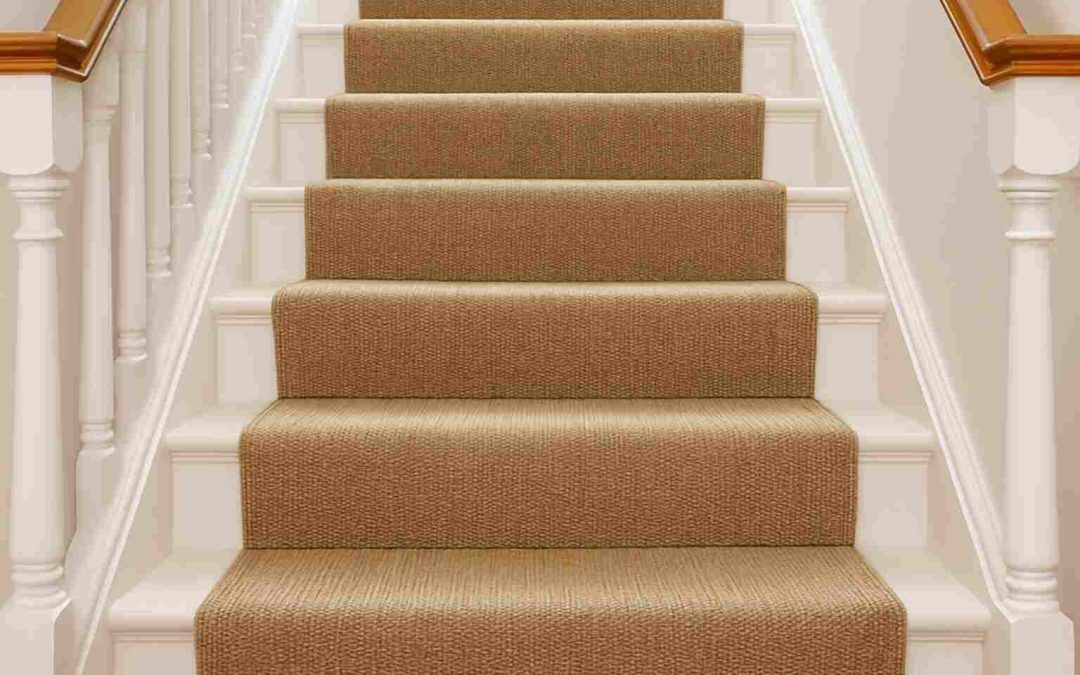
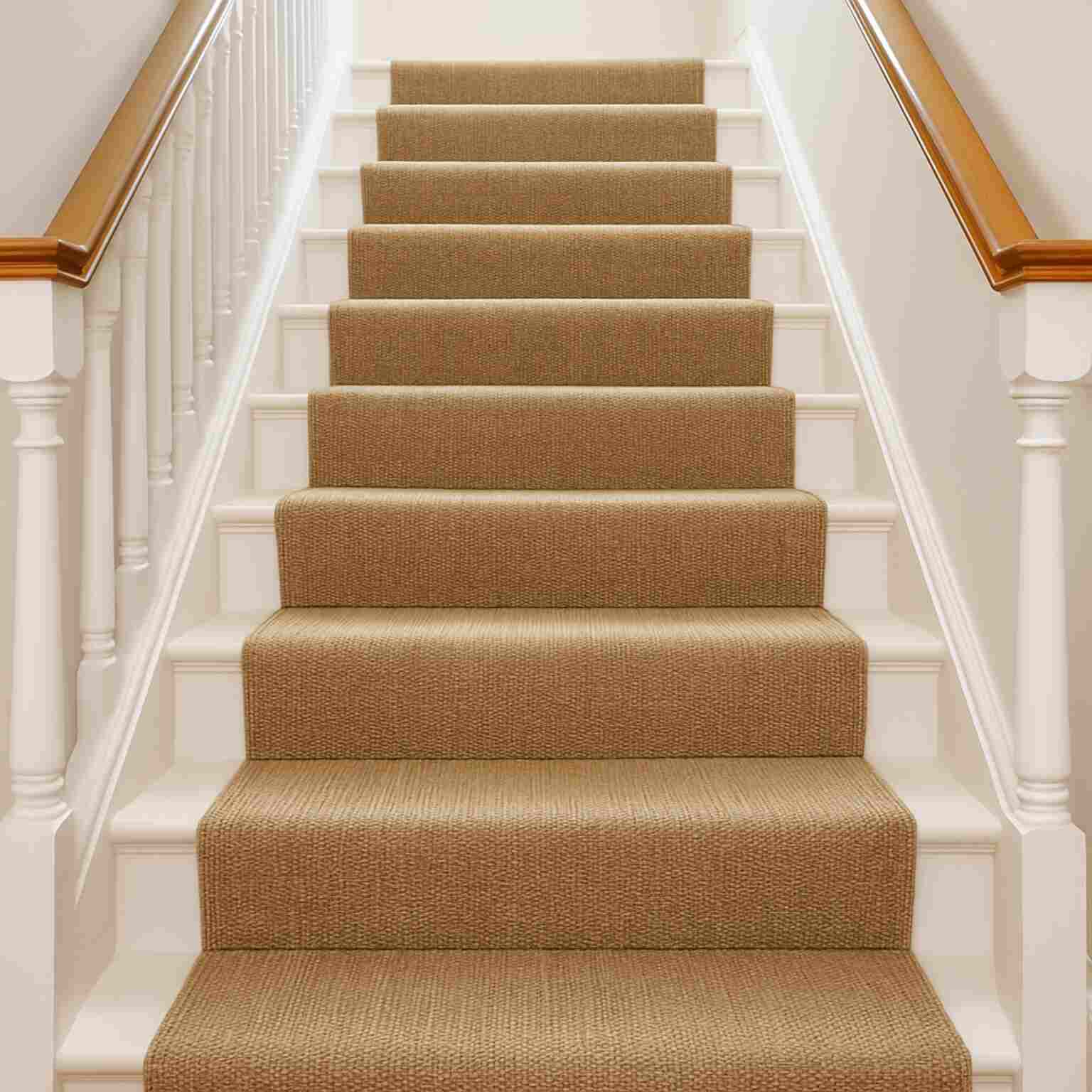
Staircases are more than just a purposeful part of a home—they connect spaces, create lofts, and frequently structure a putting layout function. But one of the most powerful ways to beautify both their beauty and practicality is with a stair carpet. The right carpet no longer solely adds warmth and elegance but additionally presents protection and comfort with every step.

When deciding on a carpet for your stairs, sturdiness must be your first consideration. Stairs revel in consistent foot traffic, so the carpet has to be strong, tightly woven, and resilient. Wool and combined fibers work very well for this purpose, offering herbal power along with a tender, steeply priced experience. Flat weaves or low-pile textures are particularly desirable for stairs—they keep their structure, face up to pulling down, and are less likely to fray at the edges.

Another essential aspect is protection. A well-fitted stair carpet can notably reduce the threat of slipping or injury, mainly in houses with toddlers or elderly participants in the circle of relatives. In case of a fall, a carpeted floor gives a softer landing compared to naked wood or marble. That’s why expert setup is quintessential—it guarantees that the carpet is securely mounted, smartly fitted around corners, and free of unfastened edges that would cause tripping. For homeowners looking to create continuity between spaces, pairing stair carpets with matching hallway carpets can enhance the visual flow of your home while maintaining both comfort and design harmony.

Now, when it comes to style, stairs offer a splendid possibility to make a diffused but impactful declaration. From fashionable runners with stripes or borders to calm neutrals or intricate woven patterns, there’s something for every home. For classic interiors, patterned or handwoven designs convey man or woman, whilst for modern-day spaces, solid tones and textured weaves create understated sophistication.

Color too performs a role—mid-tones have a tendency to hide dirt and wear better than very mild or very darkish shades, making them realistic and fashionable preferences. If you’re considering additional carpets or rugs in adjoining rooms, our detailed rug size guide will help you select the right dimensions for every area, ensuring seamless proportion and balance.

A stair carpet ultimately does more than defend or beautify; it complements consolation, safety, and continuity inside your own home. Whilst selected and installed thoughtfully, it will become an ideal mixture of shape and feature—long-lasting, elegant, and reassuringly secure.

— Akmal Jan, Fourth-Generation in the Family Business of Carpets
Founder of Carpet Kingdom, Curating Handmade Rugs for Over 125 Years
Why Wall Carpets Are the New Trend in Home Décor

Why Wall Carpets Are the New Trend in Home Décor

Why Wall Carpets Are the New Trend in Home Décor

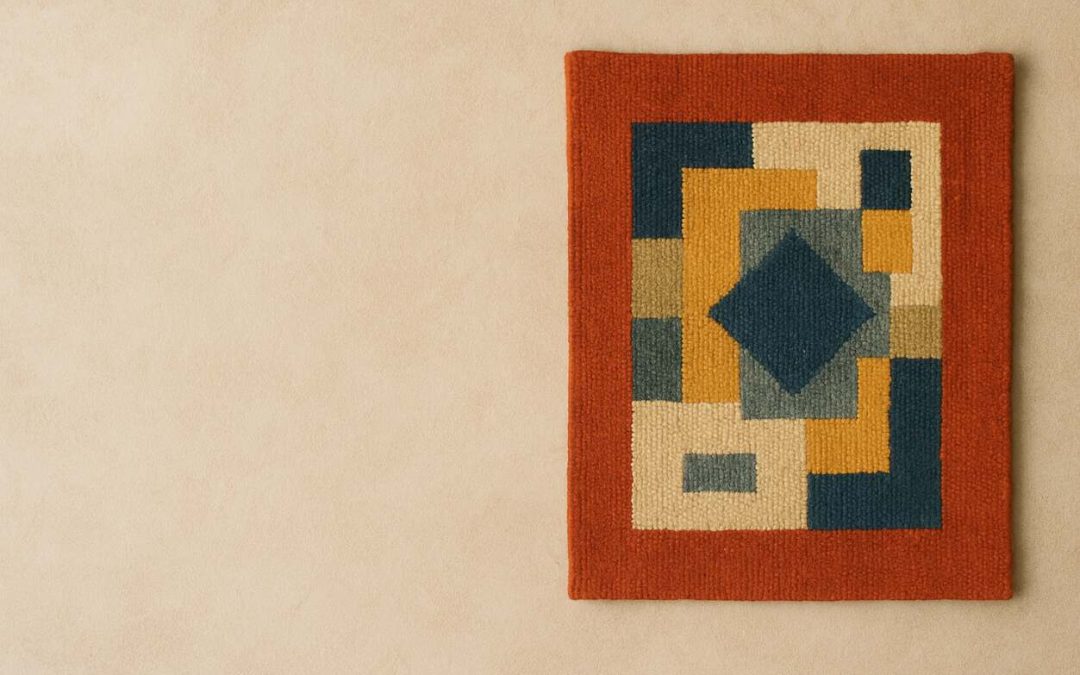
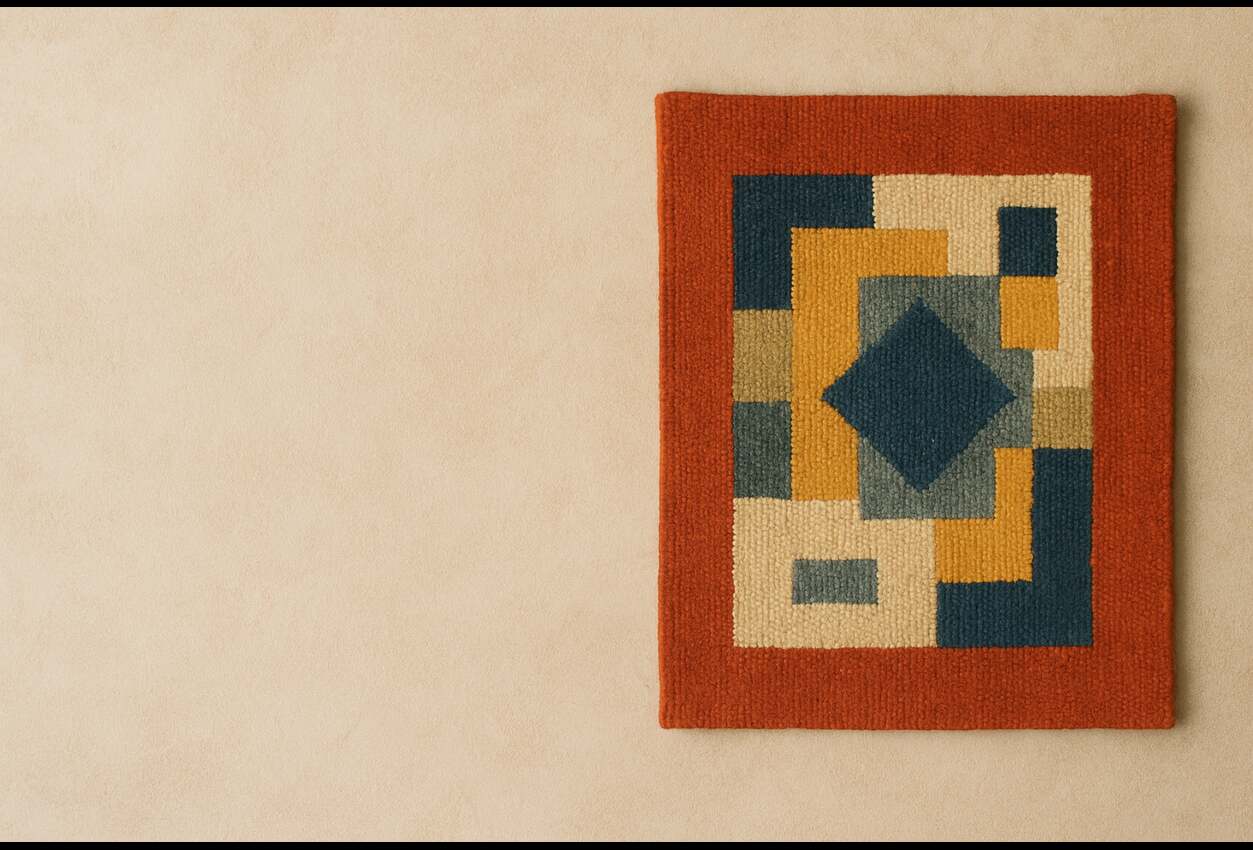
Wall Carpet Design

In recent years, I’ve noticed an exciting shift in how carpets are utilized in homes—as a part of wall carpet design. Past being a floor masking, carpets are actually celebrated as artwork pieces that convey texture, warmth, and fashion to partitions, growing areas that are each visually lovely and alluring.

A wall carpet design can transform a room instantly. Not like paintings or framed artwork, a carpet adds tactile depth and size. Handwoven or hand-knotted patterns, from traditional motifs to modern-day geometrical designs, infuse persona and character into a space, making it feel curated and unique. The richness of fibers and tricky craftsmanship draws the attention and creates a focal point that no other wall décor can suit.

For those who appreciate heirloom-quality craftsmanship, our feature on Indian handmade rugs dives deeper into traditional weaving artistry that also inspires many wall carpet designs.

One of the most exciting factors of this trend is customization. These days, modern and fashionable wall panelling may be tailored to suit any home theatre, dwelling room, or bedroom wall. Past aesthetics, these wall carpets serve a practical motive by improving acoustics—softening echoes and lowering ambient noise—making them perfect for entertainment areas or quiet corners alike.

For personalised wall carpet projects, explore how we create custom-designed carpets step by step in our custom carpet design process.

Wall carpets also are remarkably flexible. They paint beautifully on massive characteristic partitions, as headboards in bedrooms, or maybe in hallways. Unlike ground carpets, they don’t occupy any area, yet they make a considerable contribution to the room’s temper, warmth, and character. Many of my clients love using hand-knotted or handwoven pieces as wall décor, now not only for their splendor but also for the tale and craftsmanship they create.

From a practical perspective, wall carpets are smooth to put in, may be rotated or changed as wanted, and keep their splendor over the years. They allow homeowners to combine traditional weaving abilities with modern-day interior plan developments effortlessly.

In my opinion, the wall carpet diagram is more than a passing fashion—it’s a thank you to celebrate textiles as artwork, including texture, consolation, and acoustic advantages to your private home. For all of us looking to elevate our interiors with both style and substance, wall carpets are a choice that clearly stands out.

— Akmal Jan, Fourth-Generation in the Family Business of Carpets
Founder of Carpet Kingdom, Curating Handmade Rugs for Over 125 Years
error: Content is protected !!