Difference Between Rugs and Carpets: Which One Should You Choose?

Difference Between Rugs and Carpets: Which One Should You Choose?
Difference Between Rugs and Carpets: Which One Should You Choose?

Difference Between Rug and Carpet

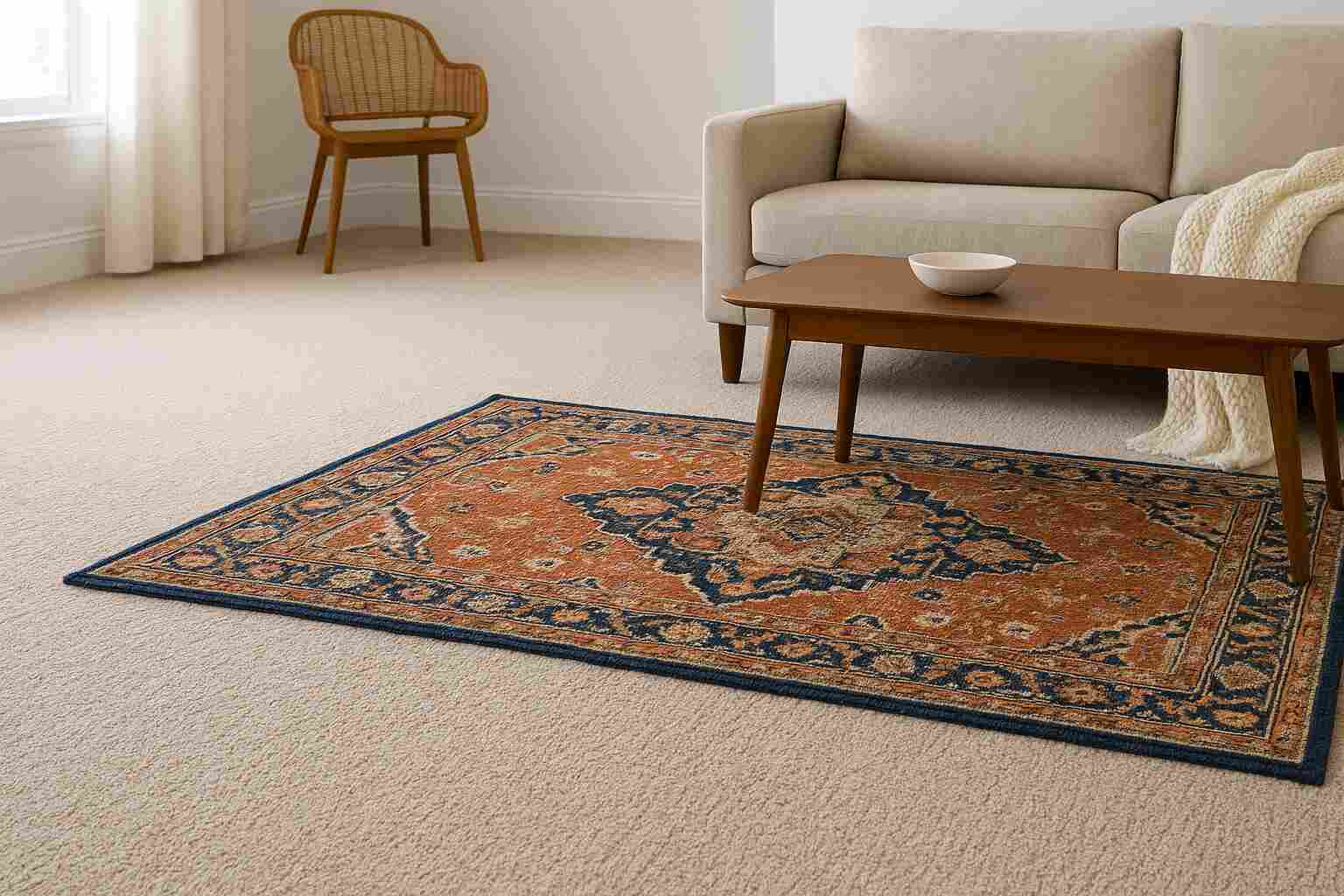
According to what I have learnt and understood, a carpet is also used by many to describe a rug. In fact, most people don’t really draw a line between the two — and that’s quite alright. Technically speaking, the difference between rugs and carpets lies mainly in their size and installation. A rug is a smaller version of a carpet, one that isn’t fixed to the floor and can easily be moved around. I therefore don’t really try to correct a customer who uses the word carpet for rug and vice versa — what matters most is how it fits into their home and lifestyle.

That being said, it helps to understand the basic difference between rugs and carpets. A carpet generally refers to a floor covering that stretches wall-to-wall, giving a room a seamless, elegant look. It’s often chosen for bedrooms, offices, or lounges where one wants softness and uniformity underfoot. A rug, in contrast, is more of a statement piece — it defines an area, adds texture, colour, and warmth, and can be changed or repositioned with ease.

If you’re exploring versatile options for living rooms or reading corners, area rugs vs wall to wall carpet are another great choice.

From a design point of view, both serve different purposes. A carpet brings continuity and a sense of luxury, while a rug allows for creativity, layering, and flexibility. You can use rugs to highlight a coffee table, anchor a seating area, or simply add a touch of handcrafted charm to your décor.

In many Indian homes, the two coexist beautifully — a plush carpet that grounds the space, and a striking rug that adds individuality.

So, when you think about the difference between rugs and carpets, don’t think in terms of right or wrong — think in terms of what your space needs. Both are timeless, both are beautiful, and each, in its own way, can make your home feel more complete.

— Akmal Jan, Fourth-Generation in the Family Business of Carpets
Founder of Carpet Kingdom, Curating Handmade Rugs for Over 125 Years
How Fur Carpets Transform Your Bedroom into a Cozy Retreat

How Fur Carpets Transform Your Bedroom into a Cozy Retreat

How Fur Carpets Transform Your Bedroom into a Cozy Retreat

carpet design for floor

There’s something instantly comforting about the feel of a fur carpet — that soft, luxurious texture underfoot which makes you want to sink your toes in and unwind. In my experience, a fur carpet has a way of transforming an ordinary bedroom into a warm, inviting retreat. It adds a touch of indulgence, softness, and intimacy that few other materials can match.

Whether you choose genuine fur or a high-quality faux option, these carpets bring in an element of quiet luxury. They create a sense of calm and coziness — perfect for bedrooms where relaxation and comfort take center stage. A fur carpet instantly changes the mood of a room, softening the look of hard flooring and adding a subtle sheen that elevates the entire space.

The beauty of fur carpets lies in their texture. They complement both minimal and modern interiors, blending beautifully with neutral tones, wooden furniture, or soft lighting. Many of our clients love placing them beside the bed or under a reading chair — spaces where you naturally want to feel comfort and warmth.

That said, I always like my customers to understand a few practical aspects. A fur carpet is not the easiest to maintain — it tends to accumulate and hide dust or dirt, and therefore requires regular care to remain hygienic. In my opinion, they are best suited for low-traffic areas or spaces used primarily by adults. I generally don’t recommend furry carpets or rugs for children’s rooms, as the fibres can shed easily and may not be suitable for kids who love to play on the floor.

When maintained well, however, a fur carpet can last for years while retaining its plush look and feel. It’s that rare kind of décor element that adds both comfort and character, turning your bedroom into a personal sanctuary — soft, warm, and beautifully serene.

— Akmal Jan, Fourth-Generation in the Family Business of Carpets
Founder of Carpet Kingdom, Curating Handmade Rugs for Over 125 Years
The Luxury of Silk Carpets: Everything You Need to Know

The Luxury of Silk Carpets: Everything You Need to Know

The Luxury of Silk Carpets: Everything You Need to Know

silk carpet

Few matters in the international world of interiors can rival the elegance and refinement of a natural silk carpet. The delicate sheen, softness, and intricate craftsmanship that silk brings to a hand-knotted carpet are truly undying. A genuine silk carpet doesn’t simply adorn a space—it elevates it, adding grace, sophistication, and a quiet sense of luxury.

When we talk of silk carpets, I refer in particular to pure silk, no longer the synthetic preferences that frequently flood the marketplace. Unluckily, many carpets defined as “silk” are genuinely manufactured from viscose—a man-made fiber that solely imitates the appearance of silk and costs a fraction of the fee. Over my fifty years on this exchange, I’ve seen many unsuspecting consumers misled with the aid of this confusion. It’s unlucky, because it undermines the splendor and honesty of an age-old craft.

Many people confuse real silk with artificial alternatives—understanding the difference between the two is crucial. You may find our guide on the differences between silk and viscose rugs helpful in identifying authentic silk carpets.

That’s why I continually advise clients to do their homework carefully earlier than shopping for a natural silk carpet and to buy solely from a reputed carpet store. Simply looking at a photo online and assuming it’s authentic silk may be deceptive. Pure silk has a wonderful luster, touch, and fineness that cannot be replicated—and only an experienced eye can genuinely tell the difference.

Another element worth perception is that a pure silk hand-knotted carpet generally has a much higher knottage than a wool one. This means far more extra knots are tied per square inch, resulting in greater intricacy and precision in the diagram. Because silk yarn is finer and thinner, weavers can create tremendously unique motifs and delicate styles, which can, in reality, no longer be feasible with thicker fibers. Naturally, the weaving takes longer, and when you consider that natural silk is a highly priced yarn, the general cost of any such carpet is considerably better.

To me, a pure silk carpet isn’t always just a floor masking—it’s a masterpiece. It represents months (every now and then years) of patient craftsmanship and consists of the historical past of generations of skilled artisans. Owning one isn’t always solely about luxury; it’s about celebrating artistry, a way of life, and the long-lasting splendor of hand-crafted perfection.

Silk weaving is a heritage craft, rooted in India’s rich tradition of hand-knotted textiles. If you want to explore more about authentic craftsmanship, explore our article on Indian handmade rugs and the artisans behind them.

— Akmal Jan, Fourth-Generation in the Family Business of Carpets
Founder of Carpet Kingdom, Curating Handmade Rugs for Over 125 Years
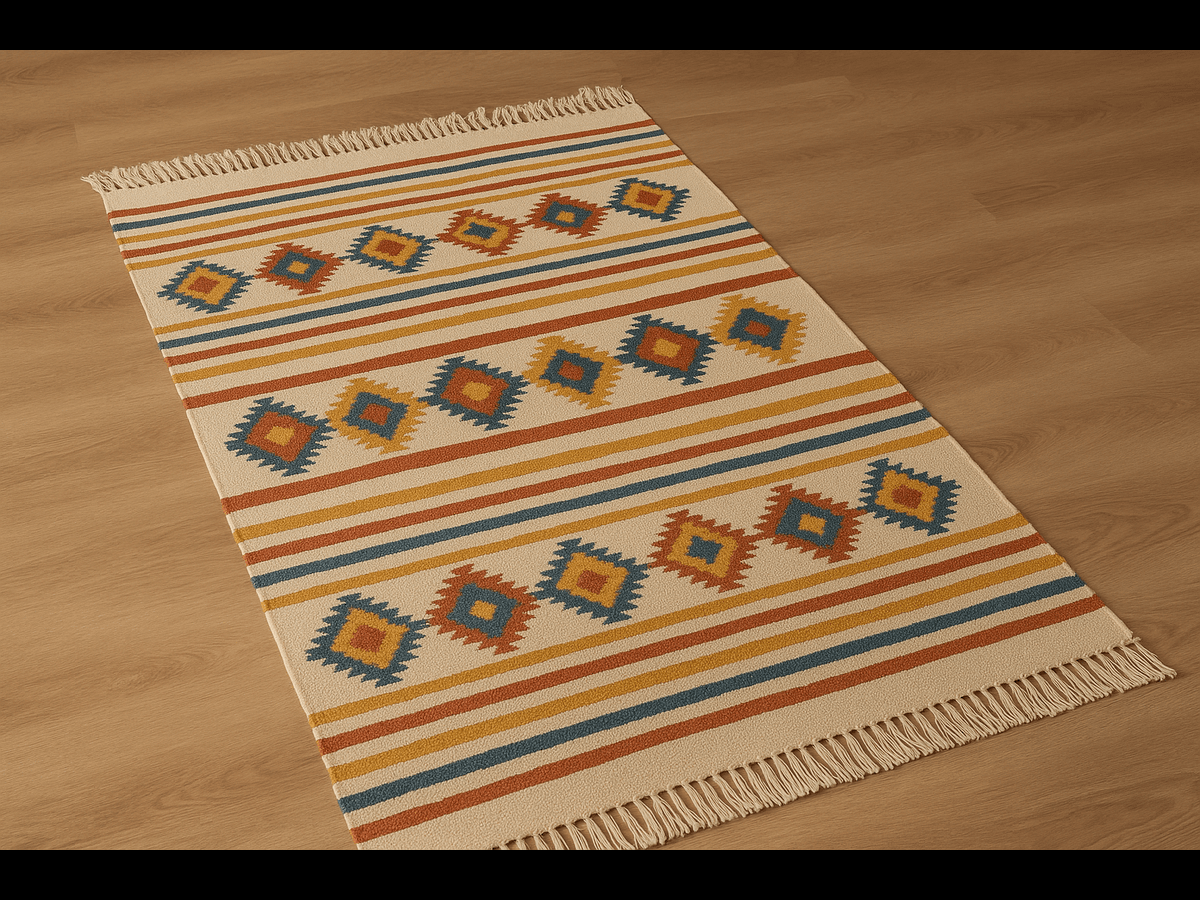
Why Dari (Durrie) Carpets Are Making a Comeback in Modern Interiors

Why Dari (Durrie) Carpets Are Making a Comeback in Modern Interiors

Why Dari (Durrie) Carpets Are Making a Comeback in Modern Interiors

Dari Carpet

It’s interesting how things often come full circle — and the humble Dari or Durrie carpet is a perfect example of that. Once seen as simple floor coverings in Indian homes, these flatwoven beauties are now finding their way back into contemporary interiors across the world. Lightweight, versatile, and rich in heritage, the Durrie is being rediscovered for all the right reasons.

One big reason for its revival is sustainability. In an age when people are becoming more conscious of what they bring into their homes, Durries made of natural materials like cotton, jute or wool feel refreshingly honest. They’re handwoven, breathable, and often dyed using eco-friendly colours — making them an easy choice for anyone who values authenticity and the environment.

Then there’s their practical charm. Unlike thick-pile carpets, Durries are light, reversible, and easy to maintain. They don’t trap dust easily and can be rolled up or moved around whenever you want a change. In a city apartment or a compact living space, this kind of flexibility is a blessing.

Also read our most searched article on Dhurrie Carpet Indian Craft Styling

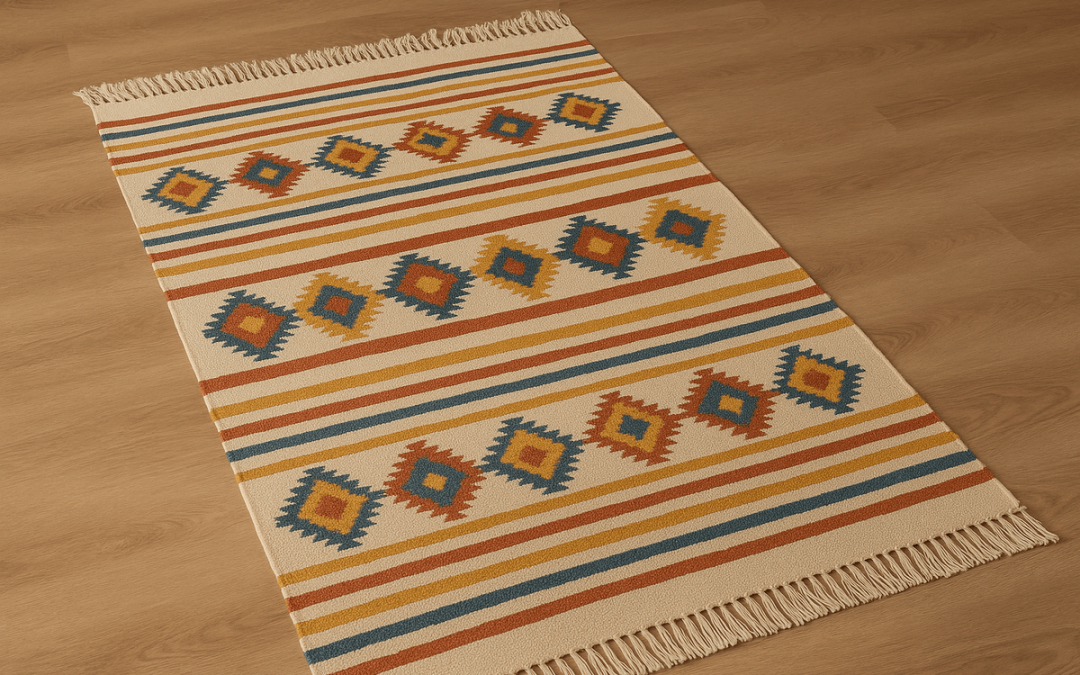
What truly makes Durries timeless, though, is their aesthetic versatility. Whether your home has a Scandinavian calm, a boho vibe, or a minimalist layout, a simple striped or geometric Durrie fits right in. It adds texture without clutter, colour without chaos, and warmth without weight.

Designers today are also layering Durries over larger rugs or wooden floors to create cozy zones — a seating corner, a reading nook, or just a dash of handmade artistry underfoot.

At a time when interiors are shifting toward natural comfort and understated elegance, the Dari or Durrie has found its moment again — a perfect blend of tradition, texture, and modern living.

— Akmal Jan, Fourth-Generation in the Family Business of Carpets
Founder of Carpet Kingdom, Curating Handmade Rugs for Over 125 Years
How Fur Carpets Transform Your Bedroom into a Cozy Retreat

Wool Carpet Buying Guide: How to Pick the Right One for Your Home

Wool Carpet Buying Guide: How to Pick the Right One for Your Home

carpet design for floor

When it comes to comfort, beauty, and long-lasting quality, few things can match the timeless appeal of a wool carpet. Soft underfoot yet durable enough to last decades, wool has been nature’s gift to floor coverings for centuries. But with so many options available today, how do you choose the right wool carpet for your home?

Start by thinking about where you’ll place it. For high-traffic areas like living rooms or hallways, go for a tightly woven or low-pile wool carpet — it’s sturdy and keeps its shape beautifully over time. In bedrooms or lounge areas, a plush or hand-tufted wool carpet adds a touch of warmth and quiet luxury.

Next, consider colour and texture. Natural wool takes dye beautifully, offering everything from subtle neutrals to rich, deep hues. Lighter shades open up smaller rooms and lend an airy feel, while darker tones add drama and hide everyday wear. Textured weaves or patterns can also help disguise footprints and bring depth to your décor.

One of the biggest advantages of wool is its natural resilience and sustainability. It’s renewable, biodegradable, and naturally stain- and flame-resistant — qualities that make it both practical and planet-friendly. Unlike synthetic fibres, wool breathes, helping to regulate temperature and humidity indoors.

When buying, always check for authenticity and craftsmanship. Hand-knotted and hand-tufted wool carpets tend to age gracefully, developing a soft sheen and character over time. Machine-made options are more uniform and budget-friendly but lack the individuality of handmade pieces.

Finally, remember that a wool carpet isn’t just a furnishing — it’s an investment in comfort and style that grows more beautiful with age. Choose one that complements your space, reflects your personality, and feels right under your feet.

— Akmal Jan, Fourth-Generation in the Family Business of Carpets
Founder of Carpet Kingdom, Curating Handmade Rugs for Over 125 Years
error: Content is protected !!